

When hiring a professional landscaping company, selecting the right team can make all the difference in transforming your outdoor space.
Experience and Expertise of a Boston MA Landscaping Company
A reputable landscaping company should have extensive experience in the industry.
– Have a portfolio showcasing diverse projects.
– Specialize in residential, commercial, or both types of landscaping.
– Understand different plants, designs, and environmental factors specific to your region.
Experienced landscapers know how to handle challenges such as soil issues, drainage problems, and plant selection that complements local conditions.
Strong Communication Skills for Lawn Care Boston MA
Effective communication is critical throughout your landscaping project.
– Listen carefully to your needs and preferences.
– Provide clear explanations of their design and process.
– Keep you updated on timelines and budget requirements.
Transparent communication ensures that there are no surprises during or after the project.
To protect yourself and ensure quality work, verify that the landscaping company has proper qualifications:
| Credential | Why It Matters | |————————–|——————————————| | Business License | Verifies legitimacy of operation | | Insurance | Protects against accidents/damages | | Certifications (e. g.
These credentials reflect professionalism and accountability.
A great landscaping company should have a creative eye for designing unique outdoor spaces tailored to your property’s needs.
– Comprehensive plans that incorporate functionality and beauty.
– Innovative ideas for incorporating hardscaping (patios, pathways) with softscaping (plants, trees).
Ask if they use modern tools like 3D renderings to help you visualize the final project.
Online reviews can give you insight into customer satisfaction levels:
– Check platforms like Google Reviews or Yelp for unbiased feedback.
– Ask for references from past clients so you can evaluate their experience firsthand.
Consistently positive reviews indicate reliability and trustworthiness.
A professional landscaper should provide comprehensive services for convenience:
– Design Services:Customized plans based on your vision.Installation:Planting trees/shrubs, laying sod/turf.Maintenance:Mowing lawns, trimming hedges, seasonal care.
Hiring a full-service provider reduces the need for coordinating multiple contractors.
Sustainability is increasingly important in modern landscaping projects:
– Does the company promote water-efficient irrigation systems?
– Are native plants prioritized over non-native species?
Companies focused on eco-friendly practices reduce environmental impact while beautifying your space.
Pricing is an important factor when choosing a landscaper; however, avoid basing decisions solely on cost:
1. Request detailed estimates from multiple companies. 2. Compare services included in each price quote. 3. Ensure there are no hidden fees by confirming total costs upfront.
Well-defined pricing demonstrates professionalism while helping you stay within budget.
By evaluating these qualities carefully before making a hiring decision, you can find an experienced partner who will bring your dream outdoor space to life effectively and efficiently.
8 Essential Tips for Choosing the Right Boston Landscaping Company
Selecting the right landscaping company is a critical decision that can significantly impact the appearance, value, and functionality of your property. A professional landscaping company should not only bring your vision to life but also ensure that your outdoor space remains sustainable and well-maintained. Below are eight essential tips to help you choose the right landscaping company for your needs.
One of the most important factors to consider is the company’s level of experience in landscaping.
– Years in Business: A company with several years of experience often demonstrates reliability and expertise.
– Portfolio of Past Projects: Browse through their previous work to ensure they have completed projects similar to what you envision.
Always verify that the landscaping company holds proper licensing and insurance, including:
– General Liability Insurance: Protects against potential damages during the project.
– Worker’s Compensation Insurance: Covers employees in case of accidents on your property.
Research online reviews on platforms such as Google, Yelp, or Better Business Bureau (BBB). Positive testimonials from satisfied customers can indicate reliable service quality, while negative reviews may be a red flag.
Efficient communication is key when working with a landscaper.
– Initial Consultation
– Design Phase
– Installation and Maintenance
Clear communication ensures that your expectations are understood and met.
A reputable landscaping company should offer a comprehensive range of services tailored to meet your specific needs.
– Landscape design and installation
– Lawn care services such as mowing, fertilizing, or aerating
– Hardscaping (e. g.
– Seasonal maintenance plans
Request a detailed list of services before finalizing your decision.
An environmentally conscious landscaper will prioritize sustainable practices such as water-efficient irrigation systems or native plant selection. This not only minimizes environmental impact but also reduces long-term costs associated with upkeep.
| Sustainable Practices | Benefits |
| Use of native plants | Lower water usage |
| Drip irrigation | Efficient watering |
| Mulching techniques | Soil health improvement |
Obtain multiple quotes from different companies to compare pricing and inclusions effectively. Be wary of companies that provide vague or overly low estimates without detailed breakdowns; this could result in surprise costs later.
Key elements included in estimates should cover:
- Labor costs
- Materials used
- Project timelines
Transparency in pricing reflects professionalism.
Before committing to any contractor, request an on-site consultation to discuss your project in detail. A site visit allows them to assess the property’s unique features (such as terrain or drainage) accurately while enabling you to test how well they communicate ideas tailored specifically for your space.
Choosing the right landscaping professional requires due diligence but can lead to remarkable results—a well-crafted outdoor environment that enhances both aesthetics and functionality while increasing property value over time.
5 Simple and Effective Tips from a Boston MA Landscaper to Upgrade Your Garden Design Today
Transforming your garden into a lush and inviting space doesn’t have to be complicated. By focusing on a few essential elements, you can create a vibrant outdoor area that reflects your personal style while enhancing functionality. Below are five simple and effective tips to elevate your garden design today.
One of the simplest ways to add dimension and depth to your garden is through plant layering. This involves arranging plants of varying heights, textures, and colors.
- Tall Plants: Use trees or shrubs like hydrangeas or ornamental grasses for height at the back of garden beds.
- Medium Layer: Incorporate flowering plants such as lavender or salvias for visual interest in the middle layer.
- Ground Cover: Add low-growing plants like creeping thyme or mosses to fill in gaps and create a cohesive look.
By layering effectively, your garden will have a structured yet natural flow that feels intentional.
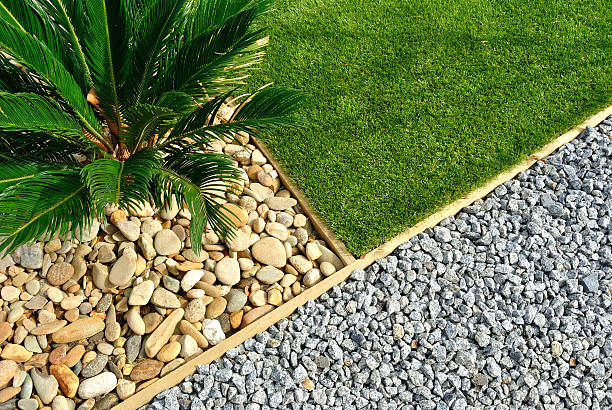
Garden pathways play an important role in defining the space while improving accessibility. Consider replacing plain paths with modern options like natural stone, gravel, or brick pavers for an aesthetic upgrade.
| Material | Durability | Maintenance | Aesthetic Appeal |
| Natural Stone | High | Low | Elegant & Timeless |
| Gravel | Medium | Moderate | Casual & Rustic |
| Brick Pavers | High | Low | Classic Charm |
A well-designed pathway can make your garden feel more structured while guiding visitors through its key features.
If you’re working with limited space or want to make use of vertical surfaces, vertical gardening is an excellent solution.
- Installing wall-mounted planters for herbs or flowers.
- Using trellises for climbing plants such as jasmine, ivy, or clematis.
- Adding hanging pots or baskets filled with cascading greenery like pothos.
Vertical gardens not only maximize space but also introduce texture and interest at varying height levels.
Enhancing your garden’s ambiance can be as simple as upgrading outdoor lighting fixtures.
- Pathway Lights: Place solar-powered lights along pathways for safety and charm.
- Spotlights: Illuminate focal points such as water features, sculptures, or large trees.
- String Lights: Hang LED string lights across pergolas or fences for a cozy atmosphere during evenings.
Effective lighting turns any outdoor space into an inviting retreat after sunset while improving its usability.
Beyond aesthetics, think about how functionality can enrich your garden experience.
- Install a seating area (e. g. , benches made from wood or stone).
- Build raised beds for easy gardening access.
- Include water features like fountains or small ponds to promote tranquility.
These additions provide comfort while making the most out of every corner of your space.
Upgrading your garden doesn’t require extensive renovations; sometimes small yet thoughtful adjustments can create noticeable improvements in both form and function.
How to Protect Your Trees and Plants from Harsh Summer Heat
Protecting your trees and plants during the scorching summer months is crucial to maintaining a healthy and vibrant landscape. Excessive heat can lead to dehydration, wilting, sunburn, and even plant death if not addressed properly. Below are actionable steps that you can take to shield your greenery from the detrimental effects of harsh summer heat.
Mulch helps retain soil moisture, regulates temperature, and reduces water evaporation.
Types of Mulch to Consider:
– Organic mulch (wood chips, bark, straw)
– Inorganic mulch (gravel or stones)
Steps for Applying Mulch:
1.
2. Keep the mulch at least 2–3 inches away from plant stems or tree trunks to avoid rot or pests.
Proper watering techniques are essential during high temperatures. Light surface watering often evaporates quickly in hot weather, so focus on deep irrigation instead.
Watering Tips:
Some plants are more sensitive to direct sunlight than others, especially young saplings or shade-loving species like ferns.
Methods for Creating Shade:
– Use shade cloths or garden nets designed to block harmful UV rays while allowing air circulation. – Place umbrellas, patio covers, or temporary structures over smaller plants. – Plant taller vegetation strategically as natural windbreaks and sun shields.
Pruning helps reduce excess growth that could stress trees during high heat conditions by requiring unnecessary water uptake.
Best Practices for Pruning:
– Remove dead or damaged branches before summer begins. – Avoid heavy pruning during peak heat; it may expose tender parts of the plant to direct sunlight. – Aim for light thinning instead of drastic cuts.
If you’re planning new landscaping projects in preparation for summer heat waves, selecting drought-resistant species can significantly reduce maintenance requirements while keeping your garden resilient.
| Plant Type | Example Species | Key Features |
| Succulents | Aloe Vera, Sedum | Store water in their leaves |
| Ornamental Grasses | Blue Fescue | Thrive with minimal moisture |
| Native Perennials | Coneflower, Yarrow | Adapted naturally to local climates |
Strong hot winds can dry out soil rapidly and damage delicate plant structures such as leaves or stems.
Options for Windbreaks:
– Plant hedges like boxwood or juniper along borders of gardens. – Add fencing as a structured barrier against hot winds.
Importance of Soil Maintenance During Summer
- Conduct soil testing before summer arrives—this ensures nutrient levels are balanced adequately. 2 .
Effective implementation ensures long-lasting greenery thriving through hottest patches
How to Protect Your Trees and Plants from Harsh Summer Heat
During the summer months, high temperatures and dry conditions can take a toll on your trees, shrubs, and plants. Protecting your greenery from heat stress is essential to maintaining a healthy and thriving landscape. Below are practical steps to shield your plants from the damaging effects of intense summer heat.
Mulching serves as an essential barrier that helps plants retain moisture while regulating soil temperature. Choosing the right type of mulch can make a significant difference in plant health.
- Prevents water evaporation.
- Protects roots from temperature fluctuations.
- Reduces weed growth that competes for water.
- Recommended Mulch Materials: | Material | Best Uses | Lifespan | |————————-|————————-|————————| | Organic (bark, straw) | Trees, flower beds | Decomposes over time | | Rocks or gravel | Xeriscaping areas | Long-lasting | | Shredded leaves | Garden beds | Biodegradable |
Lay a 2-3 inch layer of mulch around trees and plants but avoid piling it directly against the base to prevent rot or pests.
Consistent watering is vital during extreme heat periods. However, how you water matters just as much as how often you do it.
- Follow the “deep soak” method rather than shallow watering to encourage roots to grow deeper into the soil.
Shielding young trees and delicate plants with temporary shade structures can protect them from sunburn or overheating.
- Use burlap screens, shade cloths, or lightweight fabric covers for added protection.
- Position potted plants in areas where they receive partial shade during peak afternoon hours.
While pruning promotes healthy growth, over-pruning during summer can expose more parts of your plant to the scorching sun.
- Remove only dead or diseased branches during warmer months.
- Avoid heavy trimming unless absolutely necessary; wait until cooler seasons for major pruning tasks.
Summer is not typically an ideal time for fertilizing since excessive nutrients may push stressed plants into unnecessary growth spurts.
- Use slow-release fertilizers sparingly for nutrient-deprived soil.
- Opt for organic compost instead of chemical fertilizers if needed.
Key Considerations to Monitor Plant Health
Plants often show signs of stress when exposed to heat damage for prolonged periods.
| Symptom | Possible Cause | Solution |
| Wilting leaves | Insufficient water | Increase watering frequency |
| Scorched leaf edges | Sunburn | Provide temporary shading structures |
| Yellowing foliage | Nutrient imbalance | Test soil pH and amend accordingly |
By taking these steps, you can ensure that your trees and plants remain resilient even under harsh summer conditions while preserving their long-term health and beauty.
- The Top Benefits of Regular Lawn Mowing with a Boston MA Landscaper
- A Comprehensive Beginners Guide to Boston Landscaping and Starting Your Dream Home Garden
- Key Traits to Seek in the Best Landscapers Boston Has to Offer
- Find the Best Boston MA Landscaping Company for Your Dream Landscape Project
- Boston MA Landscaper: Comprehensive Guide to Elevating Your Outdoor Spaces
- Important Questions to Ask Before Hiring a Boston Landscaping Company